
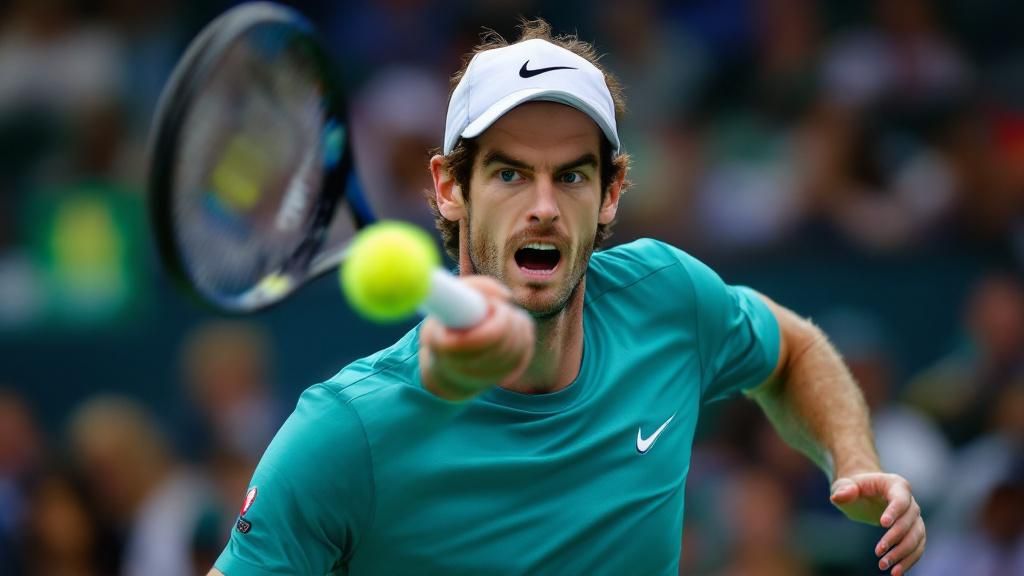
Andy Murray’s carefully orchestrated comeback to competitive tennis has sent shockwaves through the British athletics hierarchy, indicating a likely revival for the nation’s most decorated player. Following his major surgical procedure, Murray’s measured reintroduction to competitive play promises to reshape the state of British tennis, inspiring a younger cohort whilst reigniting hopes of more Grand Slam triumphs. This article examines how his measured approach to tournament competition is affecting grassroots development, nurturing young players, and repositioning Britain as a powerful presence in world tennis.
The Returning Champion
Andy Murray’s return to professional competition represents far more than a personal achievement; it symbolises resilience and determination that echoes across the British sporting landscape. After enduring a career-threatening hip operation, many doubted if the three-time major winner would ever return to top-level competition. His determination to make a comeback, however, showcases resolute devotion to his craft and an unconquerable determination that has defined his career. The athletics fraternity watches with genuine intrigue as Murray confronts this critical juncture, proving that age and physical setbacks need not dictate an athlete’s path or performance goals.
The implications of Murray’s strategic return go far past his personal results on court. His participation in professional tournaments revitalises British tennis, offering a concrete demonstration of determination to junior competitors navigating their own challenges. Moreover, his return story offers invaluable lessons in psychological strength and bodily recovery, creating new standards for career longevity. As Murray competes once more, he at the same time coaches the younger cohort, forging a link connecting established excellence and new potential that reinforces the entire British tennis ecosystem.
Effect on British Tennis Growth
Murray’s return to professional competition has sparked considerable impetus within UK tennis development. His participation in top-tier events enhances the tennis profile within the UK, attracting greater funding in young player training schemes and coaching centres. The wider impact go further than top-level competition, motivating community involvement and encouraging national organisations to emphasise talent spotting and development routes for rising British competitors.
Coaching and Guidance
Beyond his on-court displays, Murray has assumed an growing significant mentoring role within the UK tennis sector. His willingness to share experience gained from competing at the elite standard provides invaluable guidance to younger players charting their own professional paths. This casual mentoring influence complements formal structures, delivering practical insights into competition readiness, mental resilience, and handling professional expectations.
Murray’s openness to up-and-coming athletes represents a departure from traditional hierarchies within professional sport. By collaborating with promising young players, he exhibits a commitment towards British tennis’s collective advancement. His coaching role goes further than technical coaching, including career planning, sponsorship negotiations, and mental approaches essential for maintaining sustained competitive performance in international competition.
- Provides strategic guidance on event choice and planning
- Shares psychological strength techniques built over career
- Facilitates connections to coaching and support staff networks
- Demonstrates professional standards through consistent work ethic
- Encourages equilibrium between ambition and individual health
Competitive Performance and Rankings
Murray’s comeback to professional competition has shown impressive durability, with his performance metrics revealing a player determined to reclaim his place within professional tennis’s upper echelon. Despite the inherent physical rigours of professional competition, his ranking trajectory has progressively advanced, demonstrating his skilled technique and psychological resilience. His wins over proven rivals have sparked renewed debate about his ability to compete for major titles, whilst simultaneously providing crucial information on his recovery progress and tournament fitness.
The strategic approach of Murray’s event choices has proven instrumental in overseeing his recuperation whilst preserving competitive sharpness. By thoughtfully juggling elite-level events with sufficient rest intervals, he has optimised his competitive progression without compromising lasting viability. His results have energised British tennis enthusiasts and commentators alike, proving that age and previous injury need not diminish a competitor’s drive or achievements at the top levels of professional sport.
Coming Prospects and Influence
Andy Murray’s deliberate re-entry to competitive tennis has substantially reshaped understandings of what defines a successful tennis career. His careful strategy demonstrates that longevity and purposeful competition can function alongside physical challenges, delivering important insights to ambitious sportspeople across the world. The ripple effects of his return transcend individual success; Murray’s participation on tour revitalises UK tennis development, drawing funding and press coverage formerly channelled in different directions. His impact on emerging talent demonstrates how seasoned expertise and determination go beyond traditional career paths, establishing new benchmarks for competitive determination.
Looking forward, Murray’s legacy will undoubtedly encompass more than tournament victories and ranking positions. His dedication to developing emerging British talent has built a lasting foundation for the next generation of competitors seeking international prominence. By balancing competitive ambitions with mentoring obligations, Murray has positioned himself as both competing player and steward of British tennis’s future. This two-fold responsibility reinforces the nation’s competitive infrastructure whilst ensuring his deep experience benefits the sport long after his final competitive appearance, cementing his status as influential presence within British sporting history.
